
Nepal Tour Packages from Bangalore
The mountains are calling, and you don't even need a visa.
From ₹42,900 per person · includes return airfare
Plan my Nepal tripNo obligation — ideas, hotels & an indicative cost, usually within 30 min.
Where the Himalayas feel close enough to touch — no visa, no passport hassle for Indians
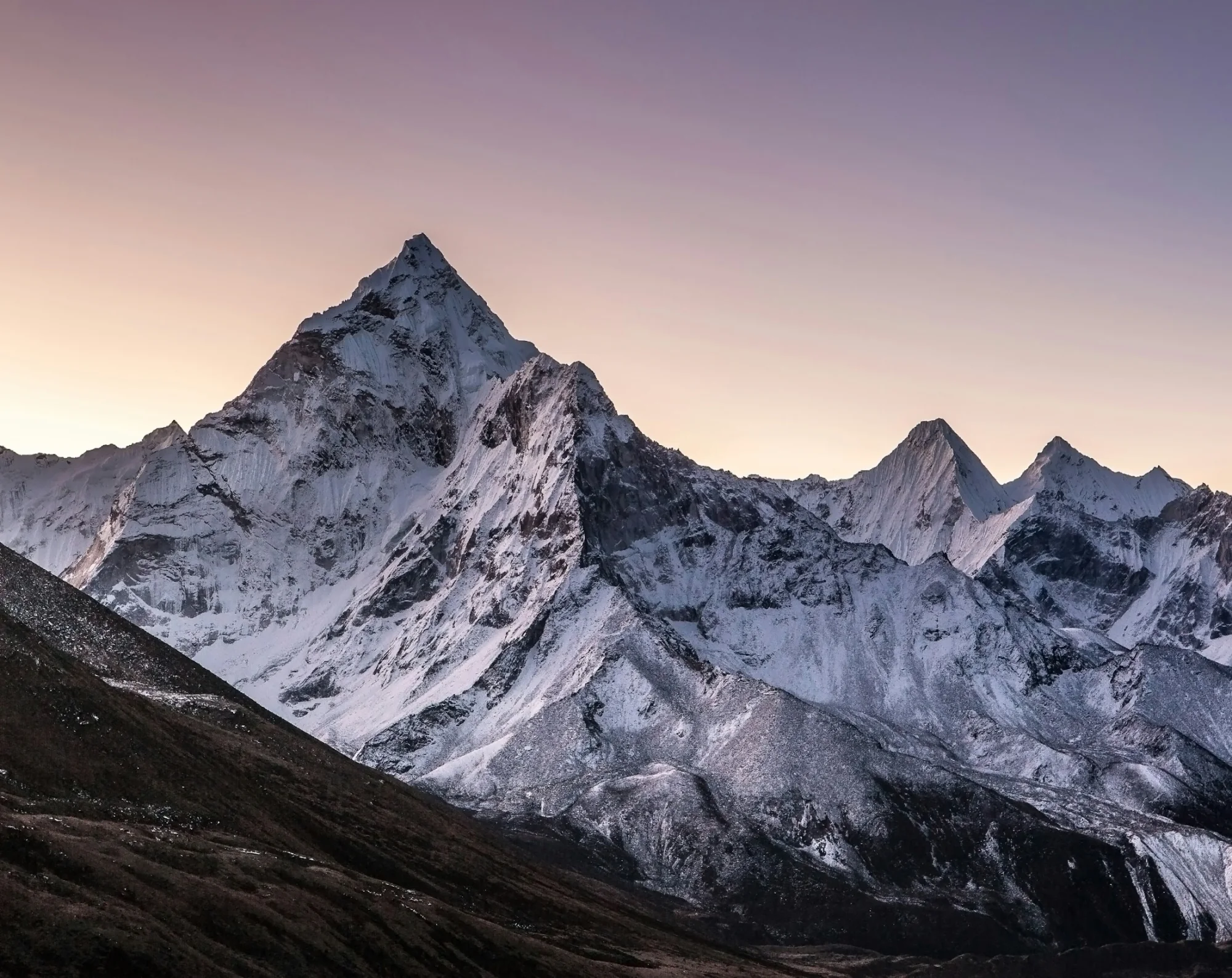
Nepal is the easiest big trip an Indian traveller can make. Thanks to the long-standing India–Nepal friendship treaty, you need no visa and no visa fee at all — a valid passport (or even your Voter ID) gets you in, by air or road. From Bangalore you can be standing under the snow peaks in a single afternoon's flight. It is a country where ancient temples, prayer-flag-draped stupas and the world's tallest mountains all sit within a few hours of each other.
Base yourself in Kathmandu for the living heritage — Pashupatinath, Boudhanath, Swayambhunath and the old Durbar Squares — then drift to Pokhara for boating on Phewa Lake and a Sarangkot sunrise over the Annapurnas. Add a Himalayan dawn at Nagarkot, a rhino-and-tiger jungle safari in Chitwan, or a once-in-a-lifetime Everest mountain flight.
Plan Nepal with our experts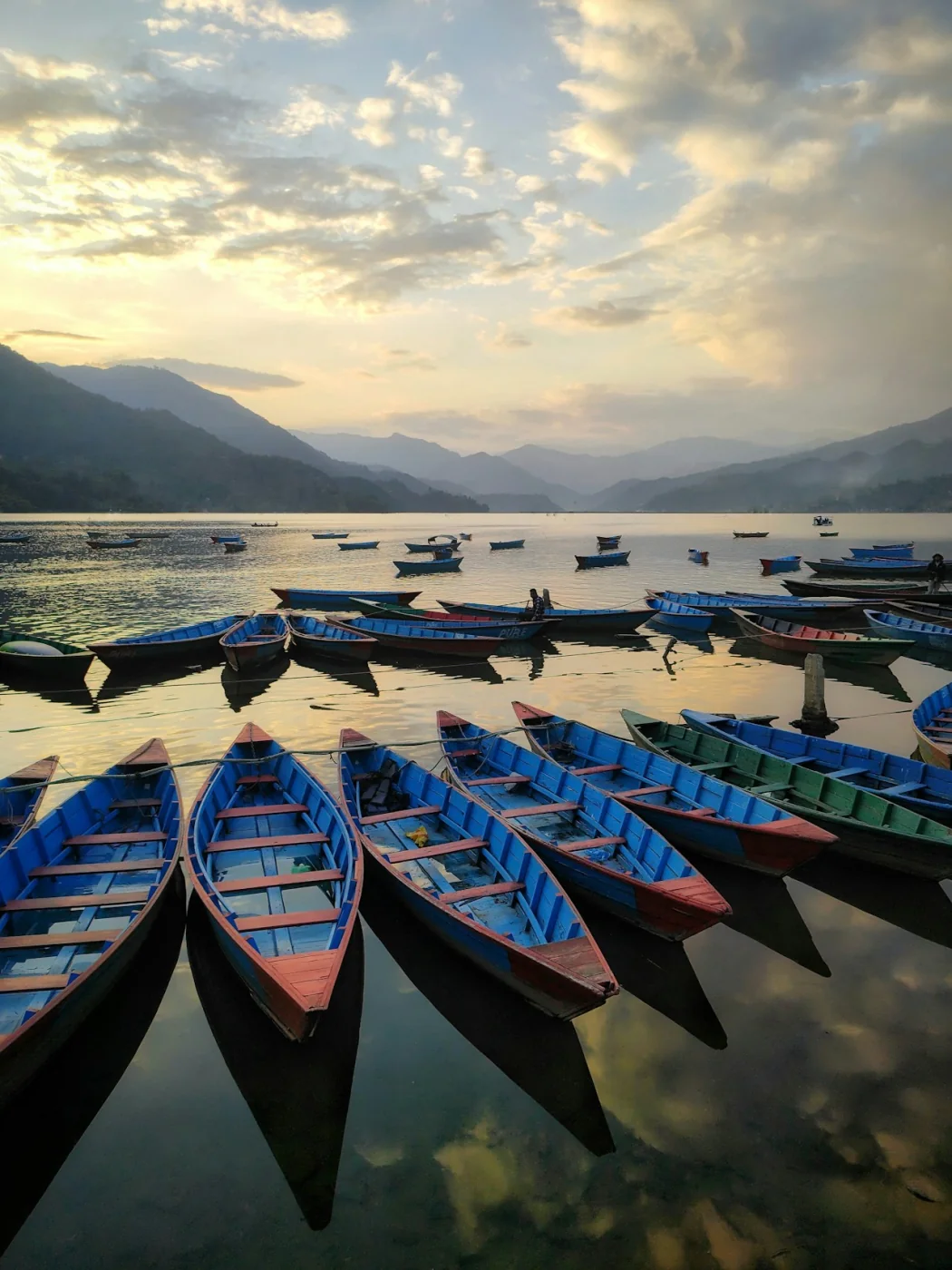
What you'll see and do
Pashupatinath Temple
Nepal's holiest Hindu shrine on the Bagmati river.
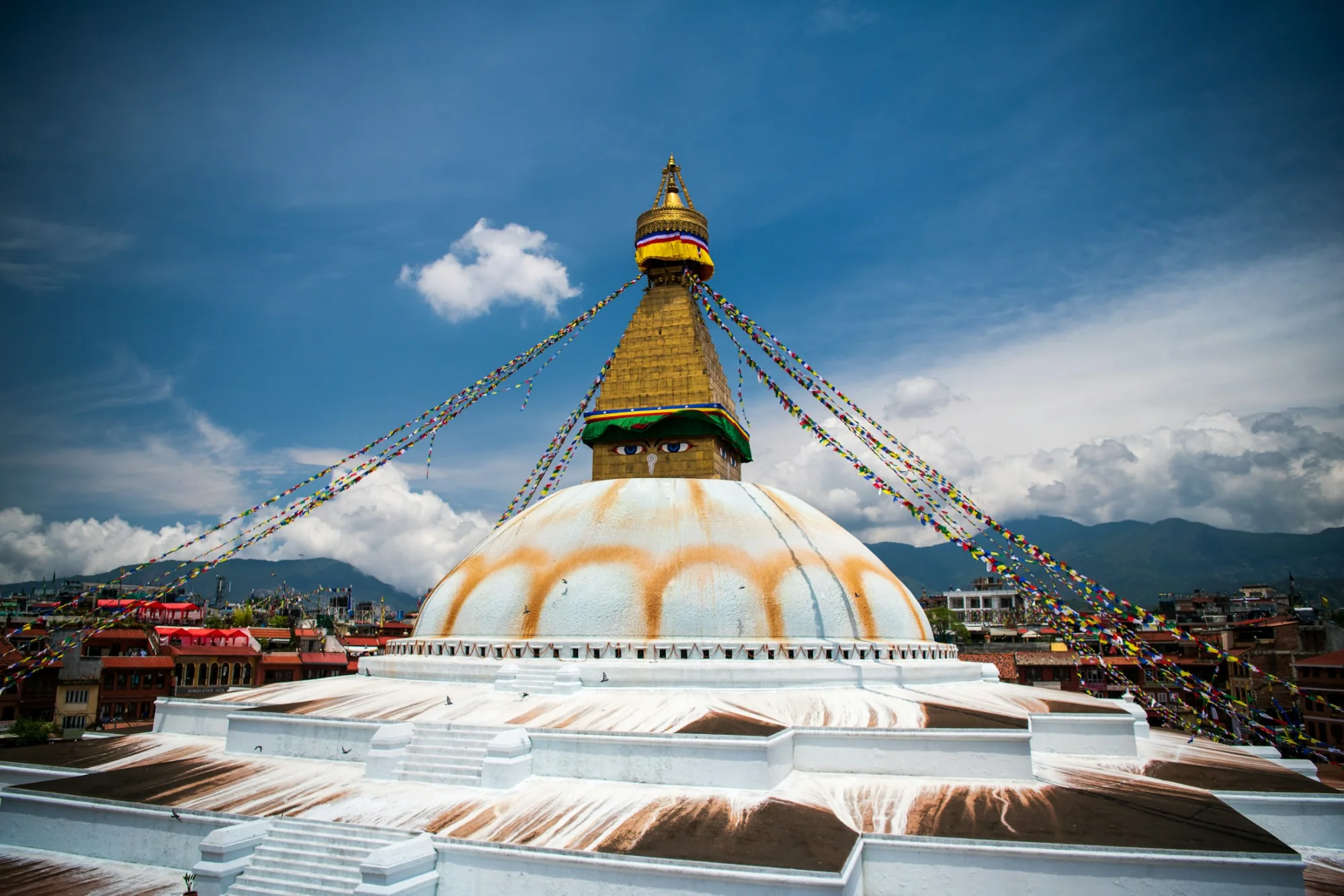
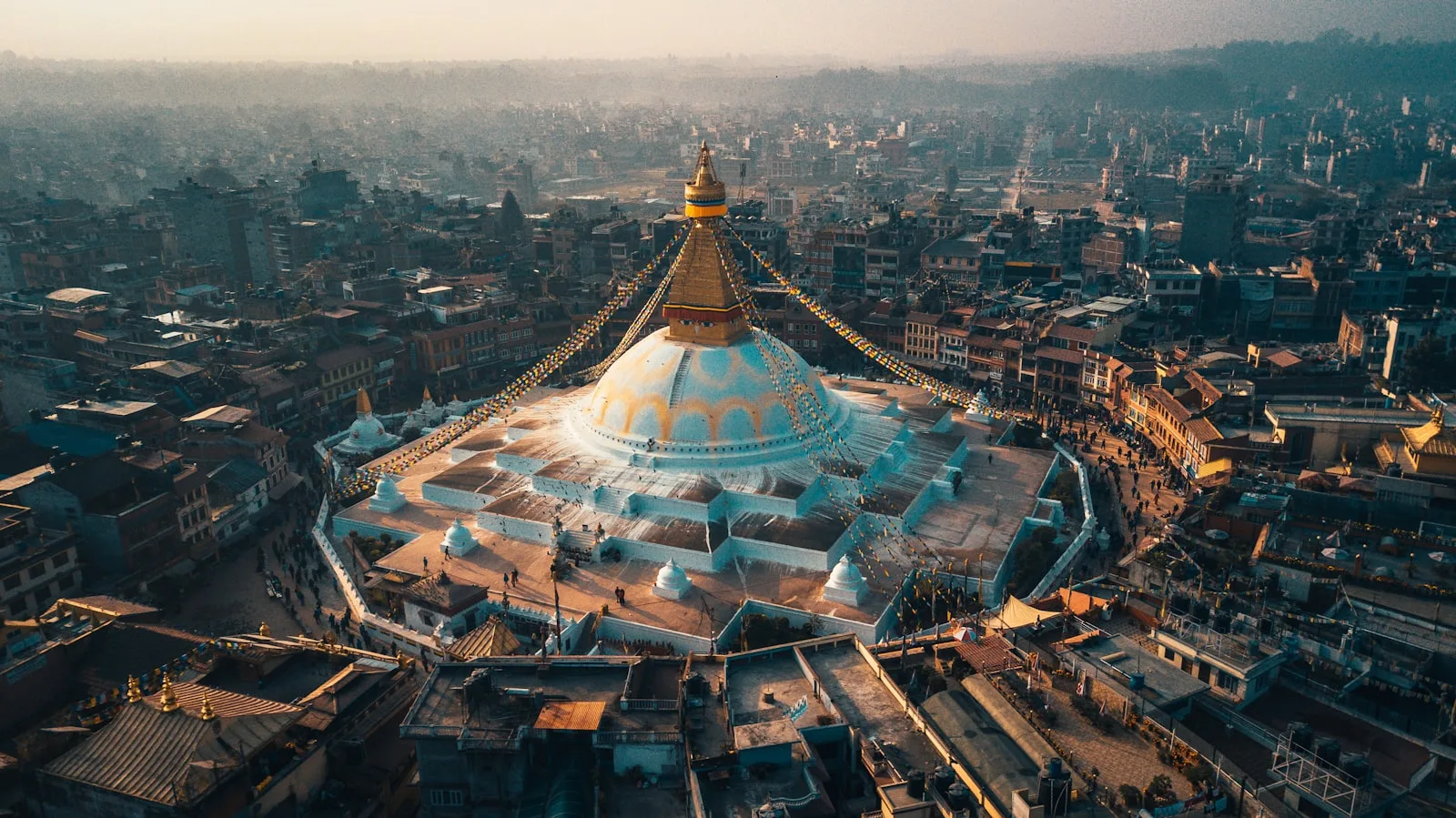
Boudhanath Stupa
One of the world's largest stupas — walk the kora at dusk.
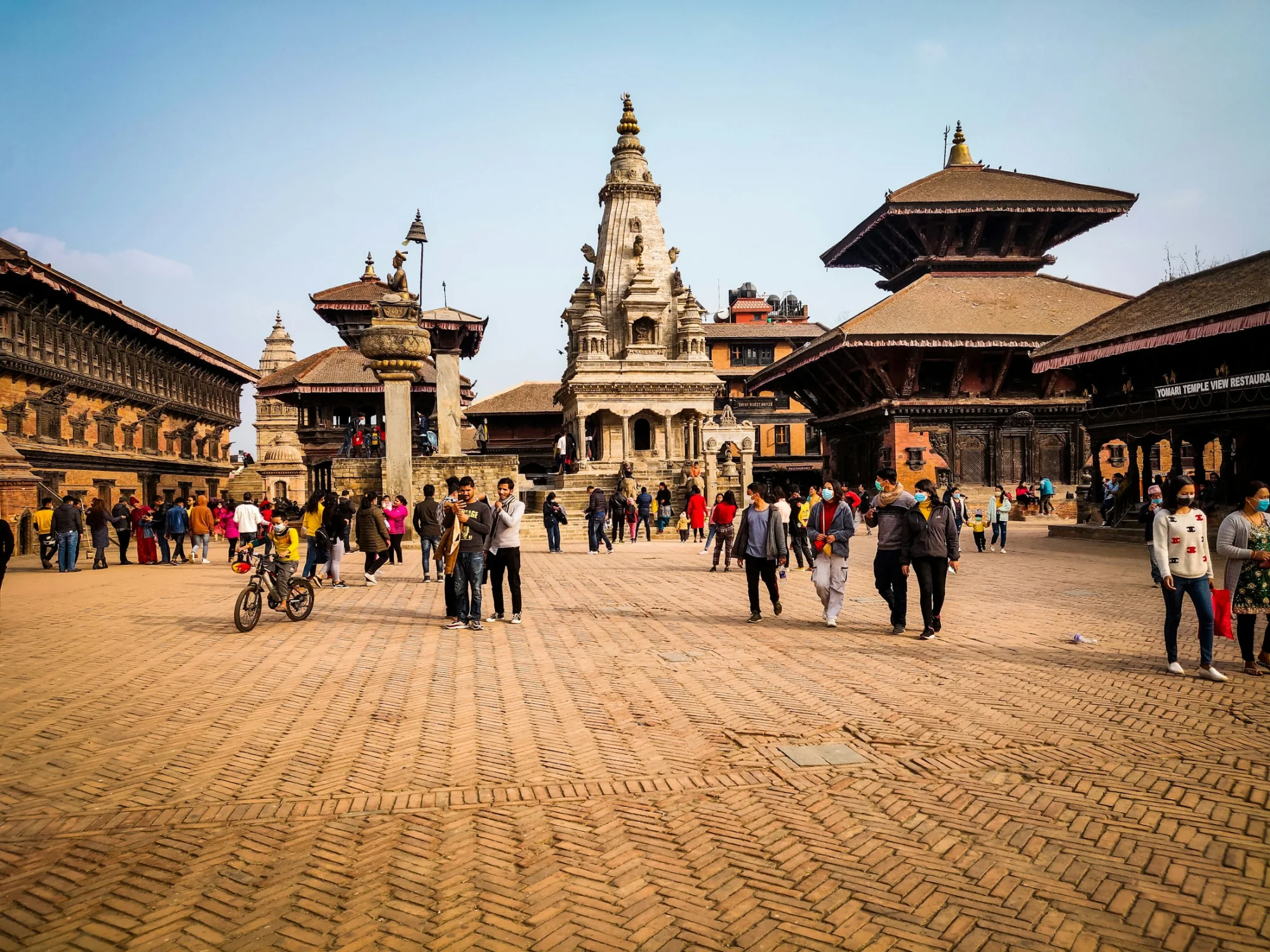
Swayambhunath & the Durbar Squares
The hilltop Monkey Temple and the carved palace courtyards.
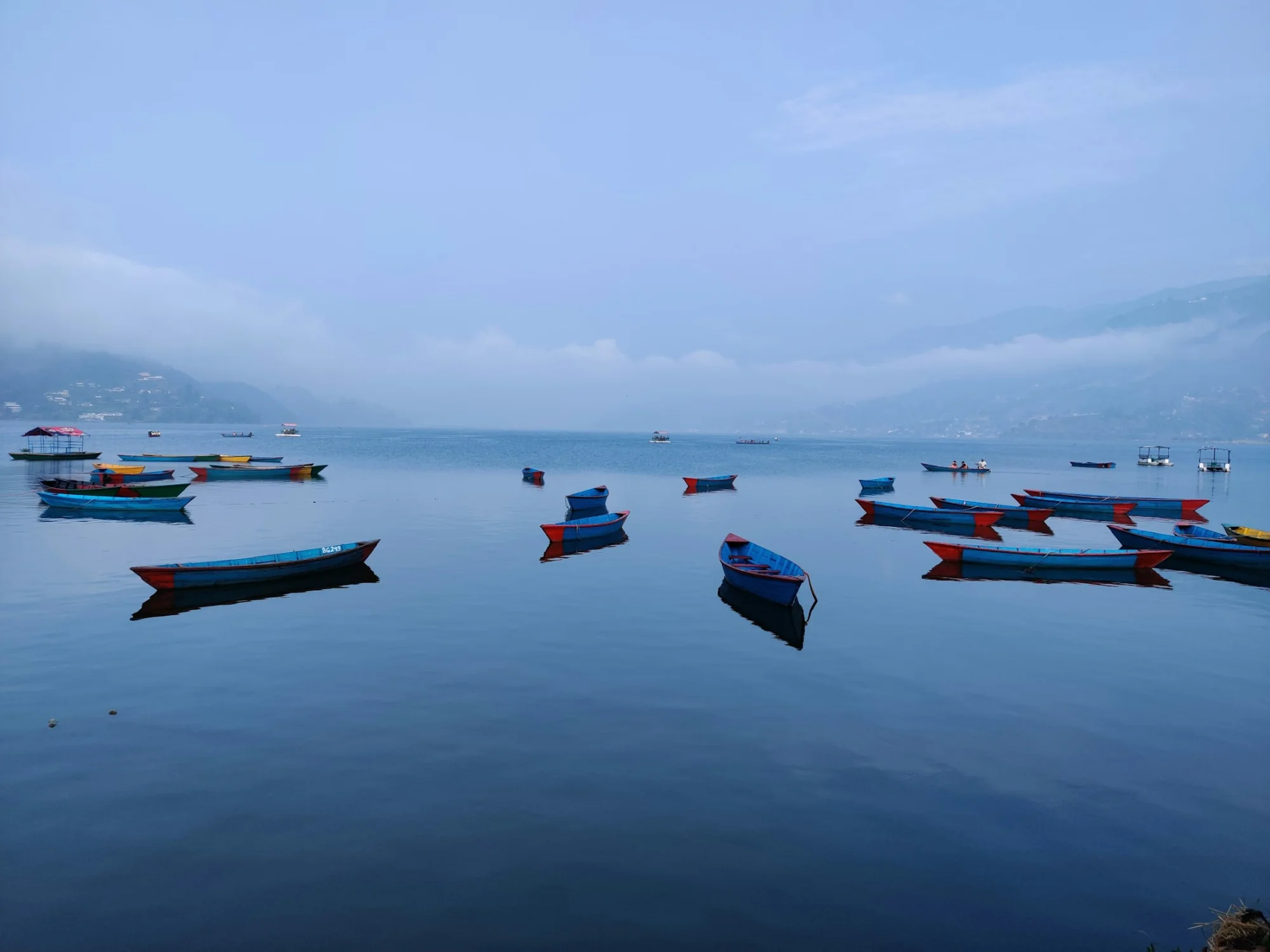
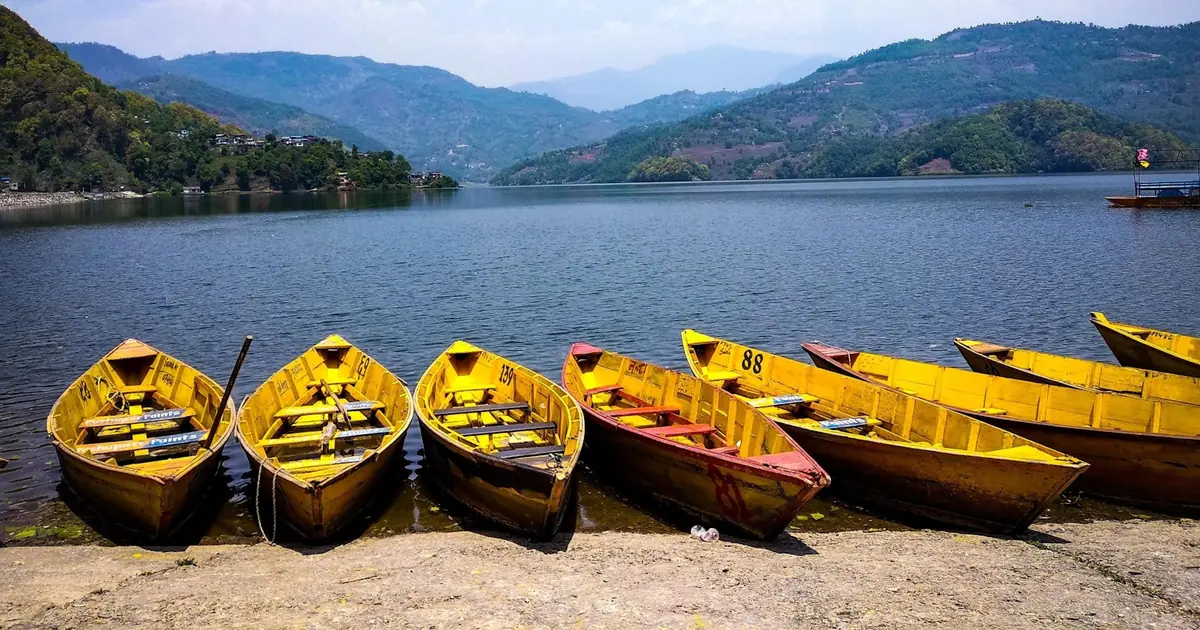
Pokhara & Phewa Lake
Boat across mirror-still Phewa with the Annapurnas reflected.
Sarangkot Sunrise
First light on the Annapurna and Machhapuchhre peaks.
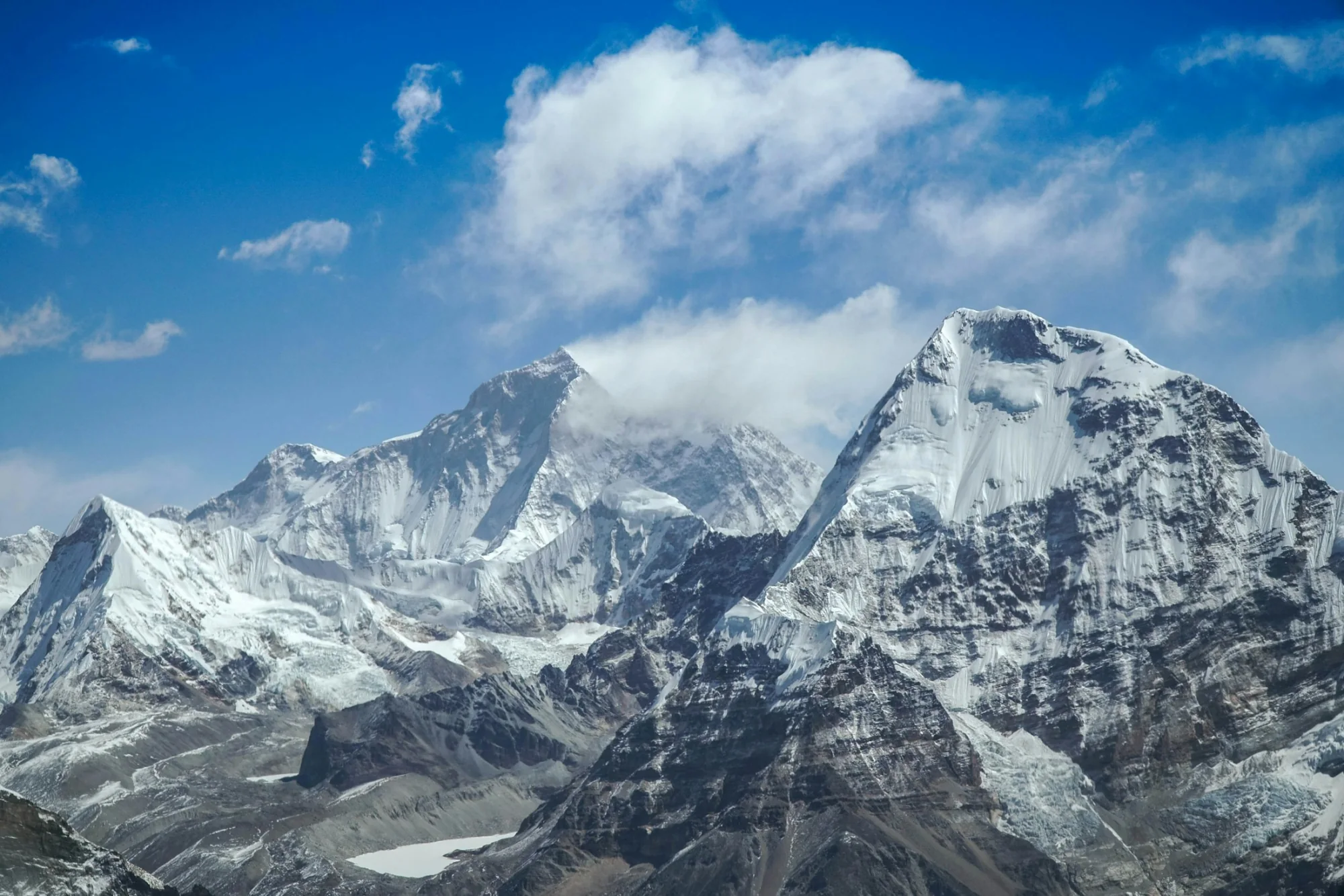
Nagarkot Himalaya Views
A hill station 90 minutes from Kathmandu with a sweeping panorama.
Chitwan Jungle Safari
Jeep and canoe for one-horned rhinos, elephants and tigers.
Everest Mountain Flight
A one-hour scenic flight eye-level with Everest — every seat a window seat.
Ways to do Nepal
Kathmandu & Pokhara Classic
Temples, lake and mountain sunrise
Nepal Highlights — Mountains, Heritage & Jungle
Add Nagarkot and a Chitwan safari
Indicative per-person prices on twin-sharing, including return airfare from Bangalore — every itinerary is customised to your dates, budget and pace, so the final cost varies.
Families & first-time travellers
No visa, short flights and a familiar rupee economy; temples, lake boating, a jungle safari and snow views keep every age happy.
Spiritual & temple travellers
Pashupatinath, Boudhanath, Muktinath and Lumbini, the birthplace of the Buddha — a deeply rewarding pilgrimage.
Couples & nature lovers
A Sarangkot sunrise over the Annapurnas, a quiet boat on Phewa Lake and the Nagarkot dawn — soulful and far cheaper than a Europe honeymoon.
Travel tips from our team
- Carry ₹100 notes or smaller — ₹2,000 notes are NOT accepted; ₹200/₹500 are allowed up to ₹25,000 per person (eased Dec 2025)
- Travel Oct–Nov or Mar–Apr for clear mountain views; the Jun–Sep monsoon hides the peaks
- Carry your passport even though it is not legally required — airlines insist on it; Aadhaar is not accepted
- Book Kathmandu–Pokhara flights and the Everest mountain flight early in peak season
- For onward third-country flights from Kathmandu, you need an NOC from the Embassy of India
- Pack layers — valley days are mild but Nagarkot and Sarangkot mornings get genuinely cold
Nepal, answered
Do we need a visa, and what ID should we carry?
Good news — Indians don’t need a visa for Nepal at all, thanks to the 1950 treaty. The one thing families trip up on: for an air arrival into Kathmandu, carry your passport. Voter ID is really meant for the land borders, and airport immigration is far smoother with a passport in hand. If the children are travelling, carry their passports too — a birth certificate alone can create awkward questions at the counter. Sort the ID out before you leave and the arrival is genuinely painless.
Will we get altitude sickness, and are the mountain flights reliable?
For a normal Nepal trip, no. Kathmandu sits around 1,400m and Pokhara even lower at about 800m — nowhere near the heights where altitude sickness kicks in, so parents and kids are fine. The catch is the mountain flying: Everest scenic flights and the Pokhara hops get delayed or cancelled by mountain weather, sometimes at short notice. Book them for early morning when skies are clearest, and keep a buffer day so one cloudy dawn doesn’t mean missing that Himalaya view entirely.
Which Indian currency notes work, and how does money run there?
Here’s the important bit: Indian ₹500 and ₹2000 notes are not accepted in Nepal — only ₹100 notes are. So don’t rely on your big notes. Change some money into Nepalese Rupees on arrival for markets, taxis and small eateries, and use cards at the better hotels and restaurants. UPI works only patchily, so don’t count on it. Carry a mix of cash and card, keep some ₹100 notes handy for the border stretches, and you’ll manage smoothly throughout.
Is Kathmandu’s dust and pollution a problem for elders or kids?
Kathmandu can get quite dusty and polluted in the dry season, and it’s fair to think about the elders and little ones. It’s not a dealbreaker — just plan around it. Carry a few masks, keep windows up in traffic, and don’t pack every day full of city sightseeing. Balance the Kathmandu time with cleaner air at Pokhara or Nagarkot, where you get green hills and open skies. Break the trip up that way and everyone stays comfortable, without the city air wearing anyone down.
When do we get the clear Himalaya views, and is it safe after the earthquakes?
The clearest skies come in October–November and again March–April — that’s when the Annapurna and Everest ranges show themselves properly. Avoid the monsoon months, when cloud simply blots them out and you fly all that way for grey. As for the 2015 earthquake, Nepal has long since rebuilt; the heritage sites in the Kathmandu Valley are restored and the trails are safe and busy again. Come in the clear season and you’ll get the mountain views that make the whole trip worthwhile.
Other international destinations
Plan your trip with us
Tell us where you'd like to go — we reply quickly, and the visa, documents and booking are handled officially by email, phone or in person.
Ready for Nepal?
Tell us your dates and who's travelling — we'll come back with ideas, hotels and an indicative cost.